The Prompt: (Issue 7)
Your AI Newsletter
Issue 7
Please share this newsletter with colleagues in your setting!
Welcome to issue 7 of your weekly briefing on all things AI. As AI continues to reshape the educational landscape, our mission is to ensure South Tyneside schools stay ahead of the curve. Whether you are an AI novice or an AI expert, this is your weekly home for the tools and digital principles defining the future of education.
Each week, we’ll deliver three or four essential updates—ranging from DfE policy shifts to time-saving classroom hacks—specifically curated to reduce teacher workload and enhance learning across our South Tyneside community as safely as possible.
🚀 AI Champions Work Group
Haven’t nominated an AI Champion yet? Click the link to access our nomination form:
- Next Meeting: Wednesday 11th November 2026, 16:00-17:30
- Venue: The Word
- Contact to Book: Email Julia Small at [email protected] to secure a place.
🌐 Item 1: Global Crackdown: The Under-16 Social Media & AI Ban
The momentum for youth digital bans has peaked. Following legislation in Australia, Indonesia, and Malaysia, the UK has announced a sweeping ban on social media for anyone under 16, set for full enforcement by Spring 2027.
The intersection with artificial intelligence is twofold:
- The 18+ Rule for AI Companions: Regulators are looking past traditional feeds to target generative AI. The new rules strictly enforce an 18+ age minimum for AI romantic companions, roleplay bots, and “intimate functionalities” to prevent algorithmic manipulation and emotional dependency.
- Enforcement via AI (Facial Estimation): To enforce the ban without hoarding passports, tech companies are turning to Highly Effective Age Assurance (HEAA). This relies heavily on AI facial age estimation—scanning a live selfie to verify a user’s age bracket without storing their identity.
The Catch: Critics and tech giants warn that the required AI face-scanning creates a massive privacy checkpoint for all internet users, while tech-savvy teens will likely bypass it entirely using VPNs or go to the darker parts of the web.
🧠 Item 2: Can Your Pupils Spot the AI Fake?
After last week’s Real or AI quiz from Britannica Education, we have curated some more excellent activities from other sources you may want to use with your pupils:
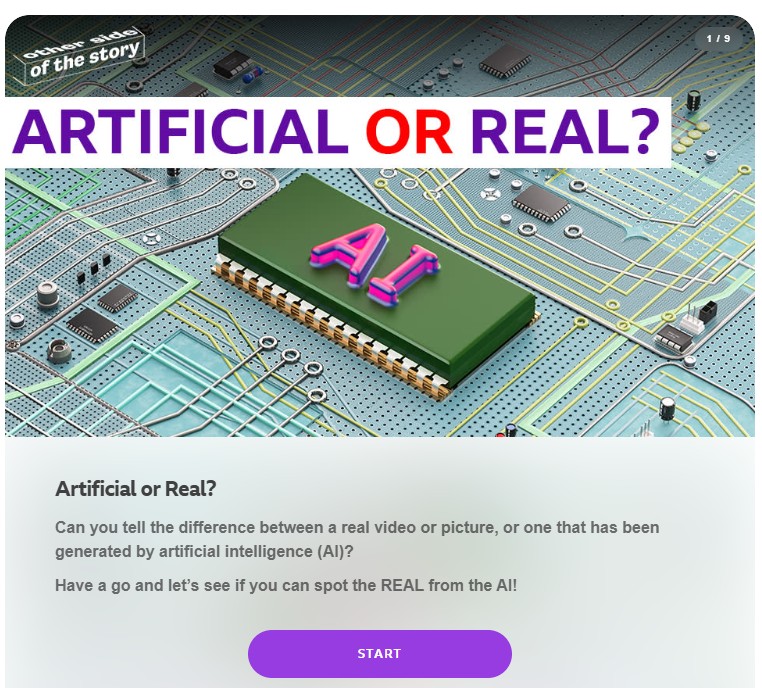
1. BBC Bitesize: Artificial Or Real?
Can you tell the difference between a real video or picture, or one that has been generated by artificial intelligence (AI)? Have a go and let’s see if you can spot the REAL from the AI!
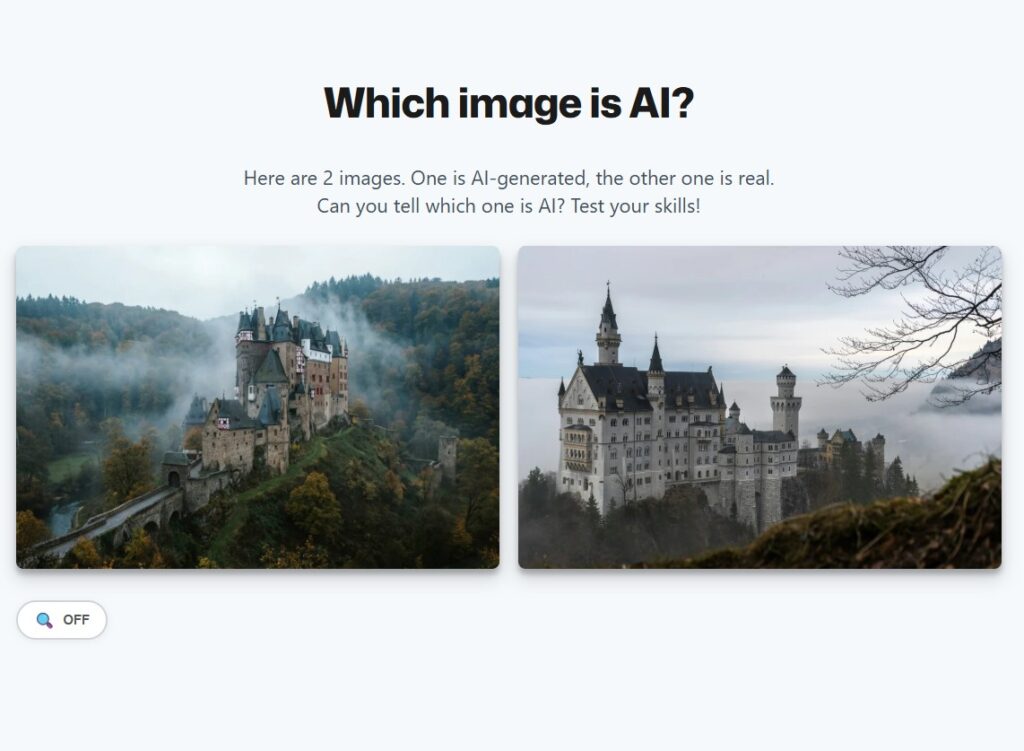
2. Sightengine: Which Image Is AI?
Here are 2 images. One is AI-generated, the other one is real. Can you tell which one is AI? Test your skills!
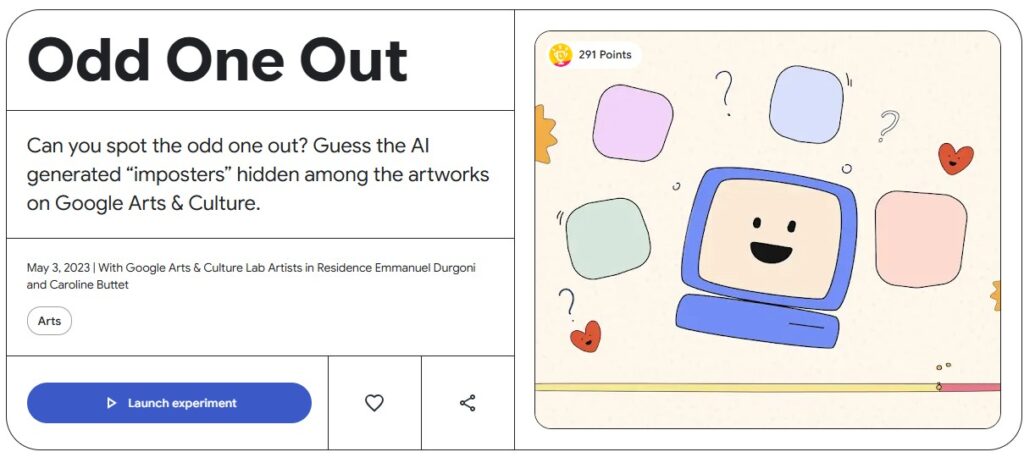
3. Google Arts & Culture Experiments
Google Arts & Culture offers incredible interactive experiments to test your AI literacy:
- Odd One Out: Can you spot the odd one out? Guess the AI-generated “imposters” hidden among the artworks on Google Arts & Culture. One of these images is not like the other—it is created by Google AI.
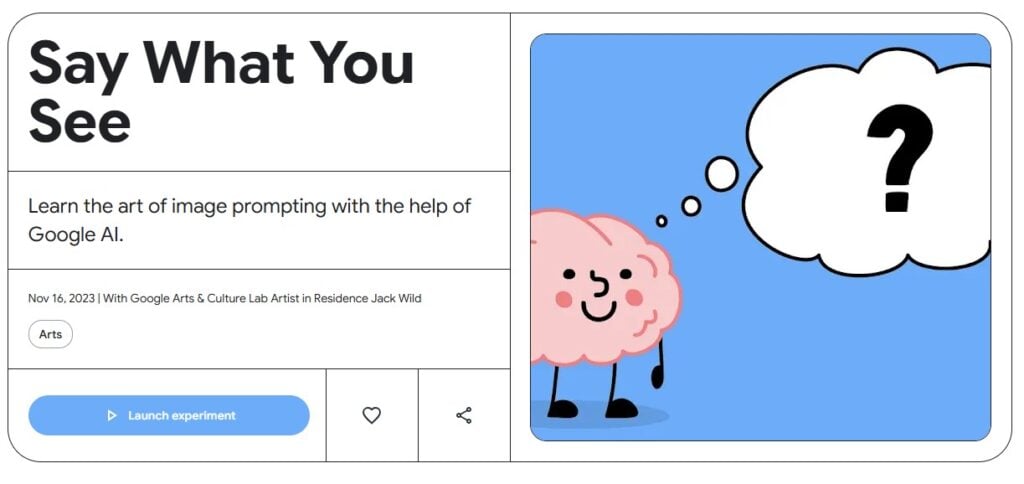
- Say What You See: Learn the art of the prompt and improve your image-reading skills by looking at Google AI-generated images and describing what you see, in this experiment created by artist Jack Wild.
📬 Item 3: Food for Thought: The “Ghost in the Inbox”
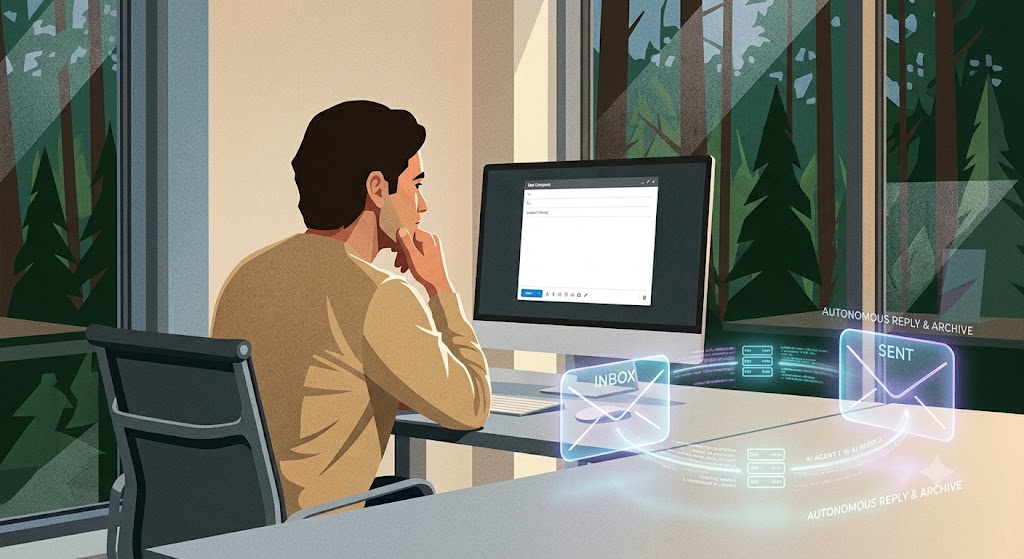
With the rise of advanced AI email agents, we are rapidly approaching a weird milestone: Within the next year, it is highly likely you will receive an email written entirely by an AI agent, which will then draft a reply and archive it—without either human ever knowing the exchange took place.
So the question is:
If two machines have a meeting in the woods and no human is around to read the transcript… does the meeting actually happen?
Drop a reply using our feedback form below and tell us if this sounds like a productivity paradise or a dystopian nightmare!
Contact Us
If you have any questions or further suggestions, please get in touch: 📧 Steve Robert: [email protected]